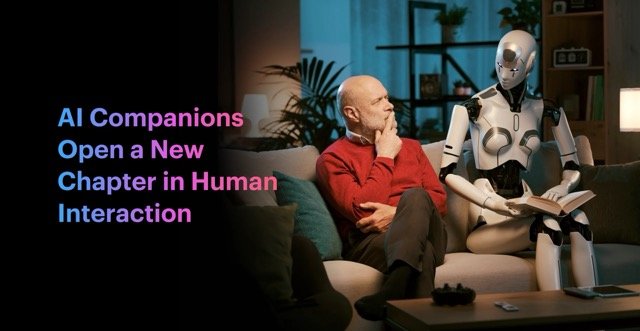
In 2025, artificial intelligence has evolved far beyond automation — it now understands emotion, empathy, and companionship. The latest innovation wave sweeping across the tech world is the rise of AI companions — virtual humans designed to think, feel, and communicate almost like real people.
These digital beings are powered by neural conversation models, emotion recognition algorithms, and advanced personality design. Platforms like Replika 3.0, SoulLink, and HumanOS have gained millions of users who interact daily with AI companions for motivation, therapy, or simple conversation. For many, they have become digital friends, tutors, and even emotional support partners.
Unlike chatbots of the past, these AI beings possess dynamic memory, facial expressions, and voices generated from real human emotion mapping. They learn from each conversation, remembering details about your preferences, hobbies, and tone. Some even adapt appearance and personality based on user feedback, blurring the lines between fiction and genuine connection.
Businesses are also using AI companions to reinvent customer service and mental health care. Virtual therapists powered by emotional AI can now identify stress or depression through speech tone and text rhythm. Corporations deploy AI mentors for employee training, replacing static e-learning systems with personalized, human-like guidance.
However, this innovation sparks ethical debate. Psychologists warn that overreliance on digital affection may isolate individuals from real relationships. Governments are drafting guidelines to regulate AI companionship, requiring clear disclosure when users are interacting with non-human entities.
Still, the growth is unstoppable. The emotional AI market is projected to surpass $60 billion by 2026, driven by human curiosity and loneliness in an increasingly digital world. Whether this technology enhances empathy or replaces it remains to be seen, but one thing is certain — the future of innovation feels more human than ever before.