The world in 2025 looks nothing like the one we knew five years ago. Technology has quietly infiltrated every layer of life — from how we breathe to how we dream. While most headlines still focus on smartphones and EVs, the real revolution is unfolding behind the screens. In research labs and tech incubators across the globe, new inventions are reshaping civilization as profoundly as electricity once did.
Leading the charge is quantum computing. Once a concept locked in physics papers, quantum processors are now integrated into mainstream applications. Companies like IBM, Google, and India’s own TCS Quantum Labs are decoding real-world challenges — from climate modeling to genetic disease prediction — in seconds instead of years. These machines don’t just compute; they think in probabilities, enabling breakthroughs once deemed impossible.
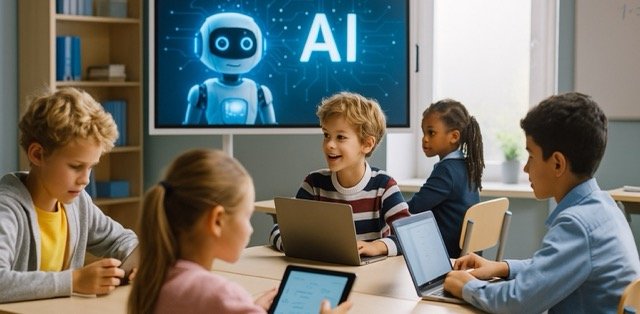
Meanwhile, AI has entered the creative world. Artists and engineers now collaborate with “co-creative AI” tools that write, design, and compose. Some critics fear homogenization, but optimists see a new form of human expression — where technology enhances imagination rather than replaces it.
The most profound change, however, is happening in biotechnology. Bionic organs, self-healing skin, and neural chips are no longer futuristic jargon. Patients with spinal injuries now walk with AI-controlled exoskeletons. Diabetic individuals use bio-sensors that communicate directly with their pancreas to regulate insulin levels in real time. Humanity is, in essence, upgrading itself.
Smart cities are the new gold standard for governance. Every streetlight, garbage bin, and bus operates through data intelligence. Traffic jams are predicted before they occur, waste is recycled autonomously, and drones monitor pollution levels. While privacy concerns rise, efficiency and sustainability outweigh resistance.
But the most exciting innovation of 2025 is the self-evolving software — programs that learn from their environment and rewrite their own code to stay secure. This invention may finally solve the cybercrime epidemic, marking a paradigm shift in how digital safety is maintained.
As we move into 2026, humanity stands at a thrilling crossroads — one where machines not only understand us but also empower us to transcend our biological limits. The future isn’t coming; it’s already here, learning faster than ever before.