The United States at a Political Crossroads
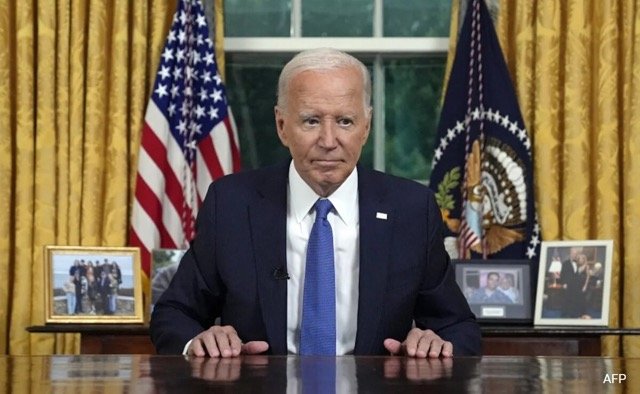
As 2025 begins, the United States stands at a defining political moment. President Joe Biden, now in his final year in office, faces mounting pressure from both domestic and international fronts. With the 2024 elections behind, a new narrative is forming — one that reflects the exhaustion, skepticism, and cautious hope of the American public.
According to recent surveys by Gallup, Pew Research, and Reuters/Ipsos, voter sentiment has dramatically evolved since the 2020s began. Biden’s approval rating, which once hovered around 52%, now fluctuates between 39% and 44%. Yet, this dip tells only part of the story. Many Americans express a sense of fatigue — not specifically toward one leader, but toward politics itself.
Key Themes Emerging from the 2025 Polls
Polls reveal five dominant themes shaping the nation’s mood:
-
Economic Anxiety: Despite steady job growth, inflation and housing prices remain high. Families report feeling “economically stable but not secure.”
-
Generational Shift: Millennials and Gen Z increasingly describe themselves as “politically independent,” with fewer identifying strictly as Democrat or Republican.
-
Trust Deficit: Over 60% of respondents say they distrust both major political parties. Social media disinformation has deepened cynicism.
-
Cultural Recalibration: Topics such as climate policy, gender rights, and AI regulation dominate discourse, overshadowing traditional partisan issues.
-
Desire for Leadership Renewal: Voters across age groups express a wish for “fresh leadership” that blends innovation with empathy.
The Economic Narrative: Numbers vs. Reality
While government statistics suggest economic progress, public sentiment paints a more complicated picture. The unemployment rate sits at 4.1%, but wage growth lags behind cost-of-living increases. Student loan debt and housing costs continue to burden younger Americans, particularly in urban centers like New York, Los Angeles, and Chicago.
For small businesses, optimism is cautiously returning thanks to tech-driven entrepreneurship and remote work flexibility. Yet, fears about automation, layoffs, and AI integration remain strong. Americans are adapting, but uneasily — navigating a digital economy that rewards agility but punishes stagnation.
Global Challenges and America’s Role
On the international stage, the U.S. finds itself juggling multiple diplomatic priorities — rebuilding alliances, responding to China’s growing influence, and addressing cybersecurity threats. Foreign policy approval ratings remain split: while 47% support Biden’s cautious diplomacy, 42% call for more assertive action.
The wars in Ukraine and Middle East tensions continue to test America’s global credibility. Analysts predict that whoever succeeds Biden will need to redefine U.S. leadership for a multipolar world — one not dominated solely by Washington, but shared among global powers.
The Road Ahead — 2025 to 2026
As Biden’s term nears its end, political strategists suggest that the U.S. may be entering an “ideological reset.” Both parties are recalibrating their messages to appeal to the disenchanted center. Democrats emphasize sustainability and equality; Republicans push for economic deregulation and energy independence.
Meanwhile, independent movements are quietly growing online, with digital-first candidates using platforms like YouTube and Substack to communicate directly with voters — bypassing traditional media altogether.
Conclusion — A Nation in Reflection, Not Recession
Despite the polarization, most Americans still express faith in democracy’s resilience. A recent Washington Post poll shows 72% believe the U.S. will “emerge stronger from this political phase.”
The next 12 months will test that optimism. As Biden navigates his legacy, America is writing a new chapter — one defined by civic reawakening, accountability, and an urgent demand for leaders who truly listen.