India’s Economic High — A Story of Momentum and Contradiction
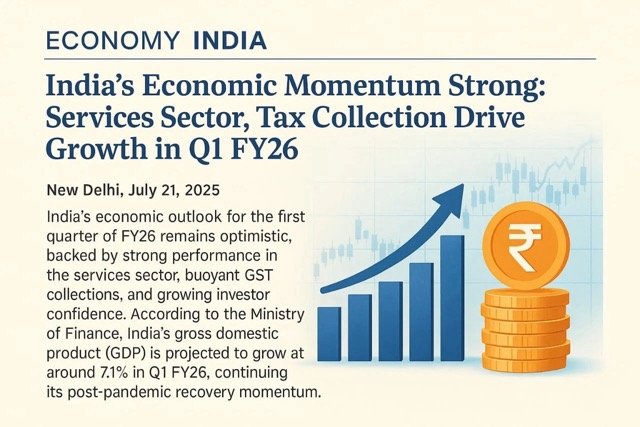
India enters 2025 as the world’s fastest-growing major economy, boasting a GDP growth rate of 7.2%. New infrastructure corridors, digital reforms, and startup-friendly policies have transformed the nation into a magnet for foreign investment. Global giants like Tesla, Samsung, and Foxconn have expanded operations in Gujarat, Tamil Nadu, and Maharashtra, signaling confidence in India’s long-term stability.
But beneath the glossy headlines, India’s economic rise coexists with political complexity. Rising unemployment among youth, agricultural unrest, and concerns over income disparity pose real challenges for the government. The “Make in India 2.0” initiative has brought factories and innovation, but it hasn’t yet fully solved rural economic stagnation.
The Political Chessboard of 2025
With major state elections approaching in 2026, the political temperature is already climbing. The ruling Bharatiya Janata Party (BJP) is strengthening its digital campaign machinery, while opposition alliances — especially the INDIA bloc — are attempting to unify around common issues such as inflation, education reform, and healthcare.
Political analysts observe that the BJP continues to dominate northern and western states but faces stiff resistance in parts of South India and West Bengal. Chief Ministers from opposition-ruled states are positioning themselves as strong national voices, signaling a more fragmented electoral contest in 2026.
Technology and Governance — India’s Digital Leap
India’s governance model in 2025 is increasingly data-driven. The government’s “Digital Bharat Mission” integrates AI into public services — from digital IDs for farmers to AI-based medical diagnostics in rural health centers. The Unified Payments Interface (UPI) now processes over 20 billion transactions per month, making India the world leader in fintech adoption.
However, data privacy concerns continue to surface. The 2025 Data Protection Act has sparked debates on surveillance, corporate accountability, and personal freedom. Civil rights organizations warn that unchecked digital monitoring could lead to overreach.
Global Diplomacy — India’s Moment on the World Stage
India’s G20 leadership legacy continues to pay dividends. The country’s diplomatic relationships with the U.S., Japan, and Europe remain strong, while its strategic balancing act with Russia and China draws global attention. New Delhi’s role as a peace negotiator in the Indo-Pacific and African development initiatives further elevate its global stature.
Climate diplomacy also takes center stage. India’s push for renewable energy, especially solar and green hydrogen, positions it as a sustainable leader. Yet, environmentalists warn that air quality in urban centers like Delhi and Mumbai remains a severe concern despite green investments.
Youth and the Future — Aspirations Beyond Politics
India’s 2025 youth population, now more digitally aware than ever, prioritizes opportunity over ideology. Surveys show that Gen Z Indians prefer skill-based education, freelancing, and entrepreneurship over traditional employment. The rise of AI tools, YouTube learning, and online gig work is transforming how Indians define success.
Political parties are recalibrating to appeal to this demographic shift. Campaigns now integrate memes, short-form video content, and influencer collaborations to reach younger audiences. Politics is becoming less about party symbols and more about digital engagement.
The Road Ahead
As India stands between growth and governance challenges, 2025 could define the next decade. The nation’s resilience remains unmatched, but bridging the gap between economic boom and social equity will determine its true success.
With the 2026 state elections on the horizon, India’s political future depends not just on policy — but on how well leaders connect with a restless, ambitious generation ready to shape a new national story.